
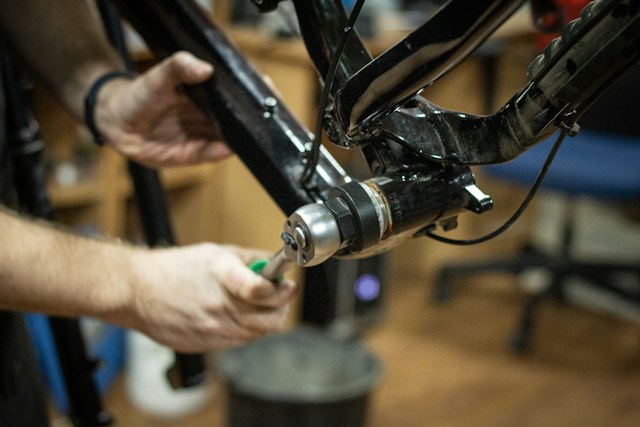
Mountain bike racing demands more from a bicycle than recreational riding. Riders rely on their equipment to respond predictably through corners, absorb impacts, maintain traction and remain stable when fatigue sets in. Suspension plays a particularly important role because it connects the rider to changing terrain while helping the bike maintain control. When that system is properly maintained, a racer can focus on line choice, pacing and technique. When it is neglected, even a highly skilled rider can lose efficiency, confidence and control.
Suspension maintenance is not simply about preventing a fork or rear shock from failing. Patrick Putman of Alabama explains that regular servicing can influence how consistently the suspension performs, how the bike responds to inputs and how much energy the rider must use to control it. For competitive riders, those differences can become noticeable over the course of a race.
Suspension Is Part of the Bike’s Performance System
A mountain bike’s suspension works as part of a larger system that includes the frame, wheels, tires, brakes and drivetrain. Changes in one component can affect how the others behave.
The fork and rear shock must compress when the bike encounters an impact and then return in a controlled manner. The suspension needs to move freely enough to absorb bumps while resisting excessive movement during pedaling, braking and cornering. Achieving that balance depends partly on the rider’s settings, but the mechanical condition of the suspension is just as important.
Oil, seals, bushings, air chambers and damping components all contribute to how a suspension system behaves. As these components wear down, the suspension may not respond as smoothly or consistently as it did. That inconsistency can be especially noticeable to racers who repeatedly ride at high speeds and make rapid changes in direction or terrain.
Worn Seals Can Increase Friction
Fork seals and wipers are exposed to dirt, dust, moisture and repeated movement every time the bike is ridden. Over time, contamination can increase friction between the moving components. Instead of responding immediately to small changes in terrain, the fork may require more force to begin moving. This can affect what suspension technicians often describe as small-bump sensitivity.
RockShox, a suspension brand owned by SRAM that develops forks and rear shocks for mountain bikes, has specifically investigated how friction affects fork performance. Its ButterWagonTech system uses machined features on the fork’s upper tubes to help deliver lubrication to the bushings. In testing, ButterWagonTech reduced static friction by 3% and dynamic friction by 9%, demonstrating how relatively small changes in friction can influence suspension movement and ride feel.
Oil Condition Influences Damping
Suspension oil does more than lubricate internal components; oil also plays a central role in damping, which controls how quickly the suspension compresses and rebounds. As suspension components accumulate hours of use, the oil and other lubricating materials can become contaminated. Internal components can also wear and generate particles that circulate within the system.
When the condition of the oil changes, the suspension may not feel the same as it did when it was fresh. A rider might notice changes in rebound behavior, compression control or overall smoothness.
For racing, consistency is critical. A rider develops expectations about how quickly the fork or shock will respond to braking, cornering and impacts. If that behavior changes gradually over time, the rider may compensate without immediately realizing that equipment maintenance is contributing to the difference.
Bushings and Internal Components Matter
Bushings are particularly important because they allow the fork’s moving parts to travel smoothly while maintaining proper alignment. Wear in bushings can introduce unwanted movement or affect how the fork tracks under load. A rider may experience vague steering, inconsistent movement or changes in how the front end responds during hard braking.
FOX, a manufacturer of mountain bike suspension forks and shocks, emphasizes regular servicing to maintain suspension performance and component life. Currently, a full factory service is recommended every 125 hours or once a year, whichever comes first. That service includes a complete inspection of internal components, including seals, bushings and oil.
Other internal components can also wear as suspension accumulates riding hours. The exact maintenance requirements vary by manufacturer and suspension design, which is why service intervals should be based on the recommendations for the specific fork or shock. Ignoring those intervals can allow relatively minor wear to progress into a more expensive repair.

Suspension Setup Can Change as Components Wear
Air pressure, sag, rebound and compression are adjusted to suit the rider, bike and intended use, but these settings are not necessarily permanent. As seals become less effective, lubrication changes or internal components wear, the suspension may behave differently even when the external settings remain unchanged. A rider might interpret that change as a need for a different setup when the underlying issue is simply maintenance.
This is one reason it is useful to establish a baseline after a suspension service. A racer can record air pressure, sag measurements, rebound settings and compression settings and then monitor how the bike behaves during training.
If the bike suddenly feels different, the rider has a reference point for determining whether a setup adjustment is appropriate or if the suspension needs attention.
Poor Maintenance Can Affect Traction
Traction is one of the most important performance advantages provided by functioning suspension. A suspension system helps keep the tires in contact with uneven surfaces, allowing the wheels to follow changes in the ground rather than bouncing excessively across them.
That becomes particularly important when accelerating out of corners or climbing over uneven terrain.
If suspension movement is too restricted, the tire may lose contact with the ground more readily over repeated impacts. If the suspension moves too freely or rebounds too quickly, the bike can become difficult to control.
Maintenance does not replace proper setup, but it provides the mechanical foundation for that setup to work as intended. Improved consistency in suspension movement can translate into greater confidence when approaching technical sections at high speed.
Braking and Suspension Work Together
Heavy braking places substantial demands on a mountain bike’s suspension. As the rider slows, weight shifts toward the front wheel. The fork compresses as it manages that load.
If the fork is excessively sticky, poorly lubricated or suffering from internal wear, its response under braking may become less predictable. The rider may experience excessive dive, reduced sensitivity or a less controlled feel.
That can affect how aggressively a racer is willing to brake before a corner. Even a small change in braking confidence can influence race strategy because riders need to trust that the bike will respond consistently when they apply the brakes at high speed.
Rebound Control Is Particularly Important
Rebound determines how quickly suspension returns after compression. It is one of the settings racers frequently adjust, but the setting only works properly if the damping system is functioning correctly.
During a race, those differences can accumulate. A bike encountering repeated impacts needs to recover quickly enough to remain prepared for the next one without becoming overly active.
A rider may attempt to correct poor rebound behavior through external adjustments, but maintenance should be considered if the suspension no longer responds consistently to those adjustments.
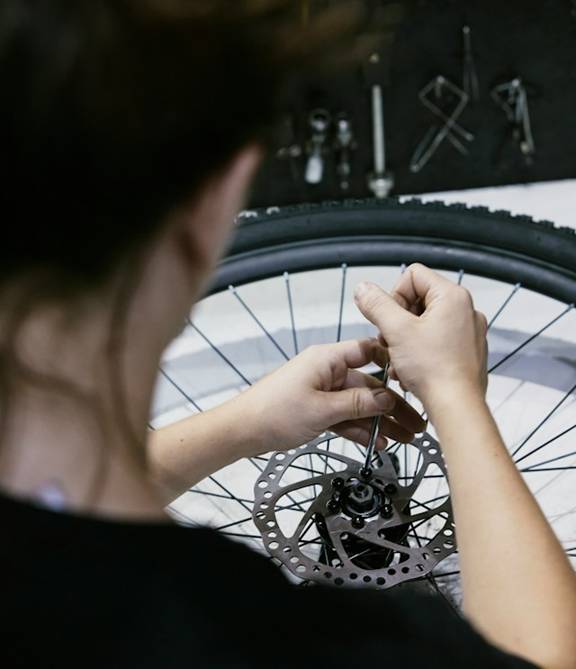
Maintenance Can Reduce Race-Day Surprises
One of the strongest arguments for routine suspension maintenance is predictability. Racing already involves variables that cannot be controlled, including weather, course conditions, competitors and fatigue. Equipment problems add another layer of uncertainty.
Scheduled maintenance gives racers an opportunity to identify developing problems before an important event. It also allows them to test the bike after service and make any necessary changes during training rather than discovering them on race day.
Maintenance Is an Investment in Consistency
Mountain bike racing often comes down to small differences. A rider may spend months improving fitness, refining cornering technique and practicing race strategy. Those improvements can be undermined if the equipment does not perform consistently.
Suspension maintenance provides the foundation for reliable performance. Clean seals, properly lubricated components, functional bushings and fresh service fluids allow the fork and shock to operate as intended. That helps the rider maintain traction, manage braking forces, absorb impacts and keep the bike predictable through demanding sections.
For racers, the value of suspension maintenance is therefore larger than simply avoiding mechanical failure. A well-maintained suspension system gives riders a consistent platform from which to build their setup and technique. Over the course of a competitive season, that consistency can make it easier to recognize genuine performance changes, make meaningful adjustments and concentrate on racing instead of compensating for equipment problems.